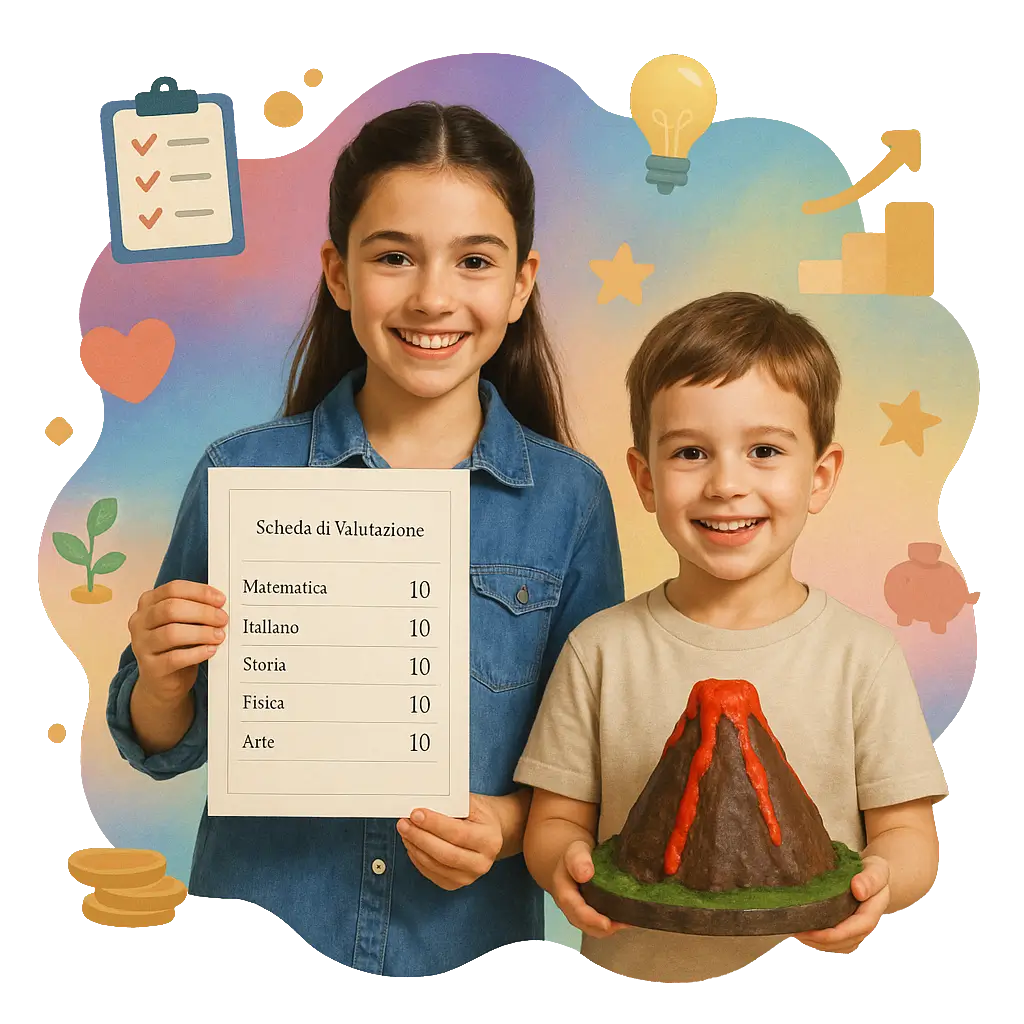
 -40%
-40%
Incluido en el combo
36 €
21 €


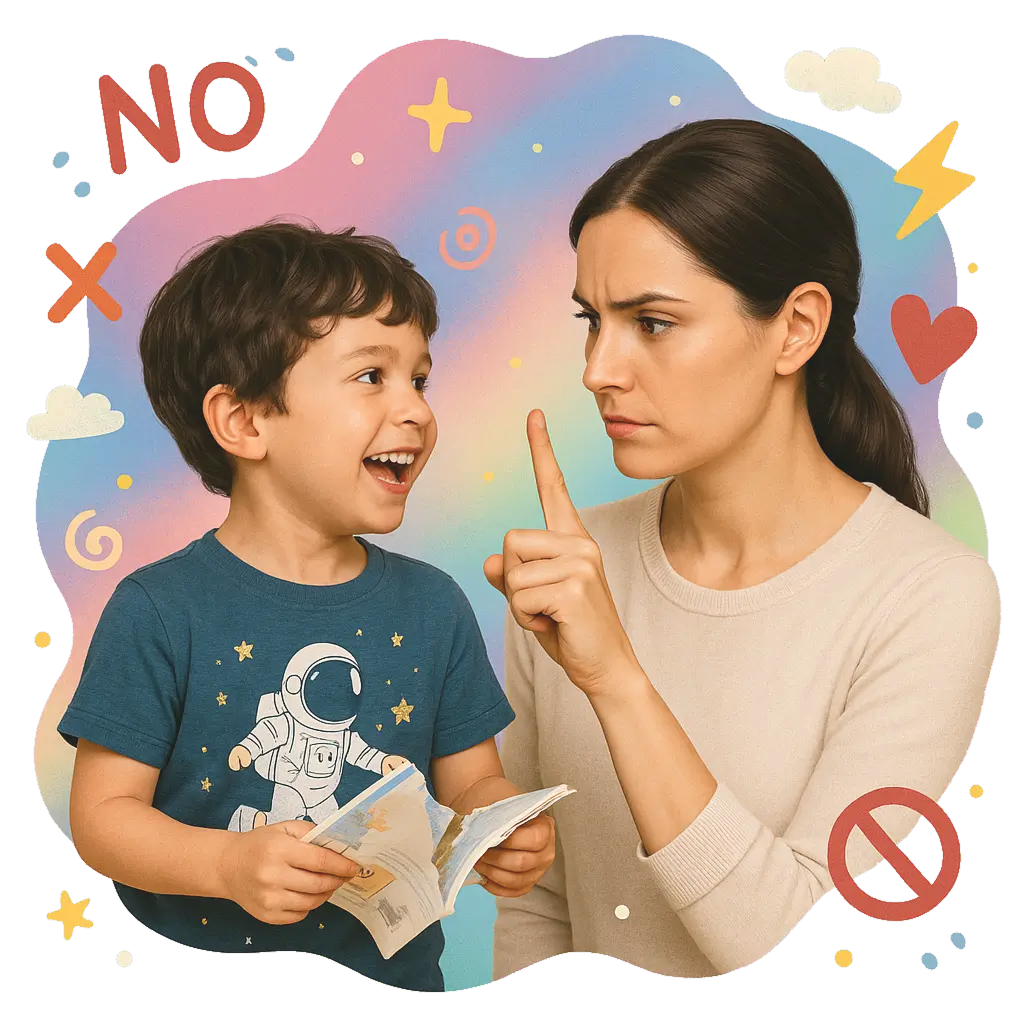
Un curso que:
Ayuda a fortalecer el vínculo con tu hijo
Enseña a poner límites con amor
Ofrece herramientas concretas y ejemplos prácticos
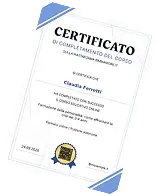 Certificato di completamento del corso
€36







Reseñas de padres satisfechos
En lugar de decenas de libros


En lugar de decenas de libros
No ofrecemos fórmulas mágicas, sino una comprensión profunda de cómo funciona el cerebro infantil y de cómo cada «NO» puede convertirse en una ocasión de conexión
El material del curso se ha elaborado sobre la base de las investigaciones más recientes en el campo de las neurociencias, la inteligencia emocional, la teoría del apego y la educación positiva.
Este curso se basa íntegramente en investigaciones neuropsicológicas y pedagógicas modernas:
• Bowlby, J. (1969). Attaccamento e perdita. Vol. 1: L'attaccamento alla madre. Bollati Boringhieri;
• Gee, D. G., et al. (2013). A developmental shift from positive to negative connectivity in human amygdala–prefrontal circuitry. Journal of Neuroscience, 33(10), 4584–4593;
• Goleman, D. (1995). Intelligenza emotiva: Che cos'è e perché può renderci felici. Rizzoli;
• Katsantonis, I., & Symonds, J. (2023). Population heterogeneity in developmental trajectories of internalising and externalising mental health symptoms in childhood: differential effects of parenting styles. Epidemiology and Psychiatric Sciences, 32, e20;
• Kochanska, G., Aksan, N., & Koenig, A. L. (1995). A longitudinal study of the roots of preschoolers’ conscience: Committed compliance and emerging internalization. Child Development, 66(7), 1752–1769;
• Lieberman, M. D., et al. (2007). Putting feelings into words: affect labeling disrupts amygdala activity in response to affective stimuli. Psychological Science, 18(5), 421–428;
• Luna, B., et al. (2004). Maturation of cognitive processes from late childhood to adulthood. Child Development, 75(5), 1357–1372;
• Mueller, C. M., & Dweck, C. S. (1998). Praise for intelligence can undermine children’s motivation. Journal of Personality and Social Psychology, 75(1), 33–52;
• Porges, S. W. (2011). La guida alla teoria polivagale. Il potere trasformativo della sensazione di sicurezza. Giovanni Fioriti Editore;
• Siegel, D. J., & Bryson, T. P. (2011). Il bambino con tutto il cervello. 12 strategie rivoluzionarie per favorire lo sviluppo mentale del bambino. Raffaello Cortina Editore;
• Spagnola, M., & Fiese, B. H. (2007). Family routines and rituals: A context for development in the lives of young children. Infants & Young Children, 20(4), 284–299;
• Winnicott, D. W. (1965). I processi di maturazione e l’ambiente che facilita. Armando Editore.
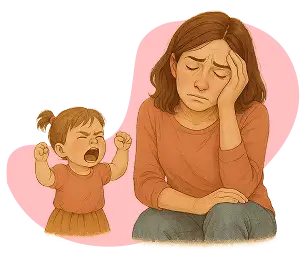
Análisis de los errores
y del enfoque correcto
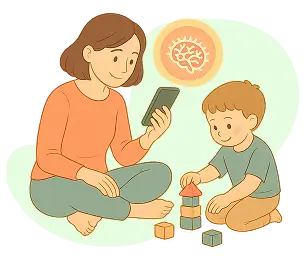
Basado en fuentes científicas
y en investigaciones fiables

Audio completo para
escuchar en cualquier lugar
Acceso ilimitado
y actualizaciones incluidas
5 capítulos de información
estructurada y útil
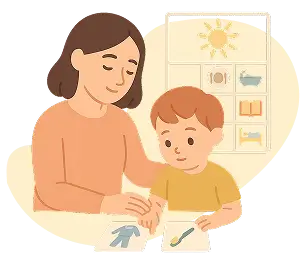
Ejercicios sencillos
y fáciles de aplicar

Padres con hijos
de 1 a 14 años
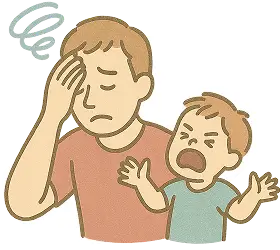
Quien se siente agotado por
las rabietas y los conflictos diarios

Quien teme dañar
el vínculo afectivo

Quien quiere decir "no" con
respeto, firmeza y amor






La sensación constante
de culpa
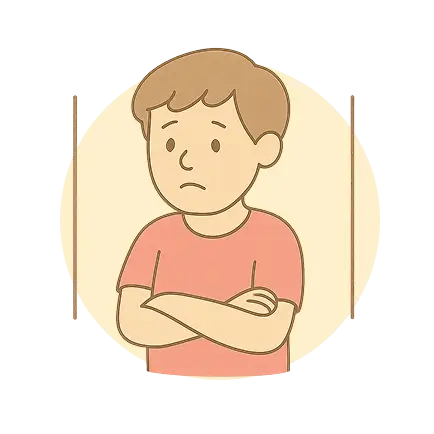
Incapacidad para establecer
normas claras y coherentes

Crisis de ira o llantos
cada vez
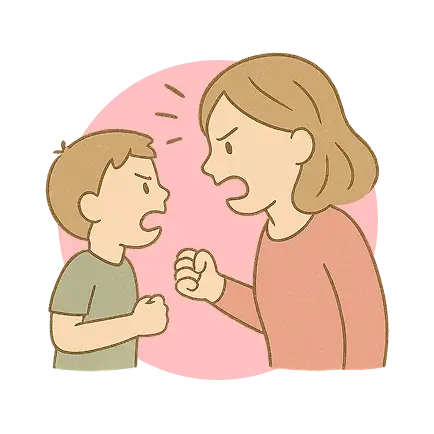
Gritos y conflictos
continuos
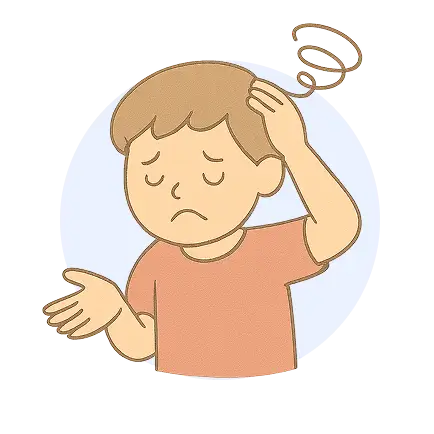
Frustración e
impotencia educativa
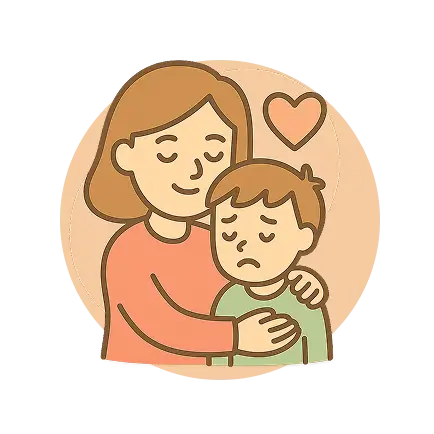
Miedo a “estropear”
el vínculo con tu hijo

Sabes decir «no» sin
sentirte culpable
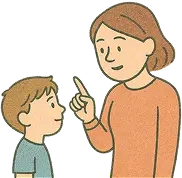
Tu hijo escucha
y respeta los límites
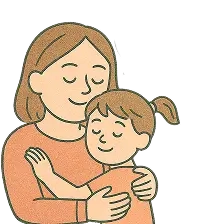
Más calma y menos
conflictos diarios

Relación más fuerte
y serena
Dos cursos, un único camino educativo
Aprender a decir «no» con respeto es aún más eficaz cuando también sabes acompañar rabietas, oposición y crisis de los 2 a 4 años. Ambos recorridos se complementan y te ayudan a mantener la coherencia en los momentos importantes.
-40%
 -40%
-40%

Pago online en página protegida

Acceso a la plataforma por correo electrónico

En cualquier momento — tú decides el ritmo
Acceso ilimitado en el tiempo — para siempre
Desde cualquier parte del mundo — solo necesitas internet
Soporte técnico a clientes

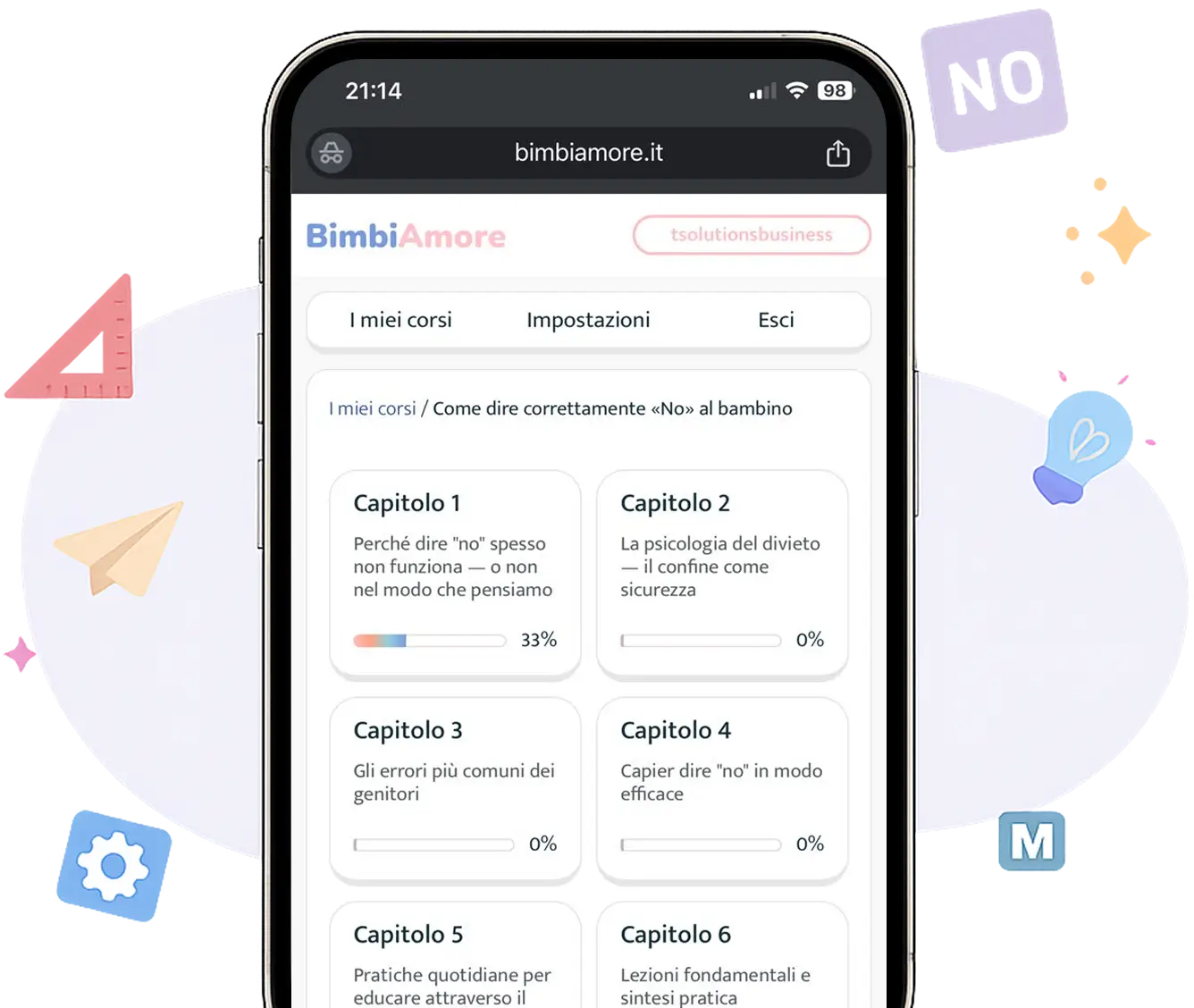
Seguimiento del proceso de finalización

Cómodo en smartphone, tablet y ordenador
Test final para consolidar los conocimientos
Aprende desde cualquier lugar
Obtén acceso a nuestra plataforma didáctica
Certificato di completamento del corso€36

€36

Introduce el correo electrónico en el que recibirás el acceso a la plataforma formativa

Haz una breve prueba
y descubre tu estilo educativo y cómo influye en tu hijo
Introduce tu correo electrónico